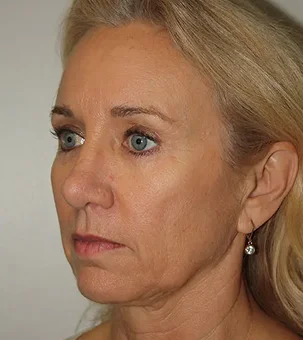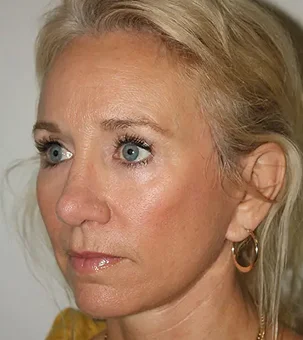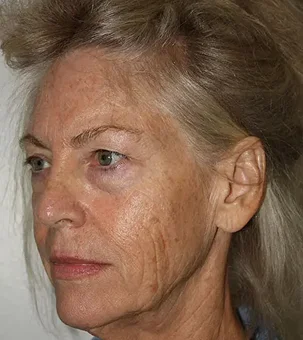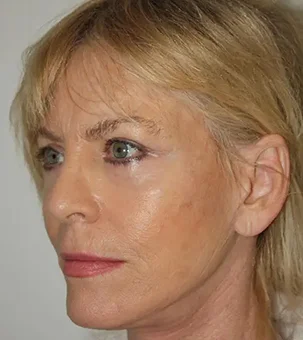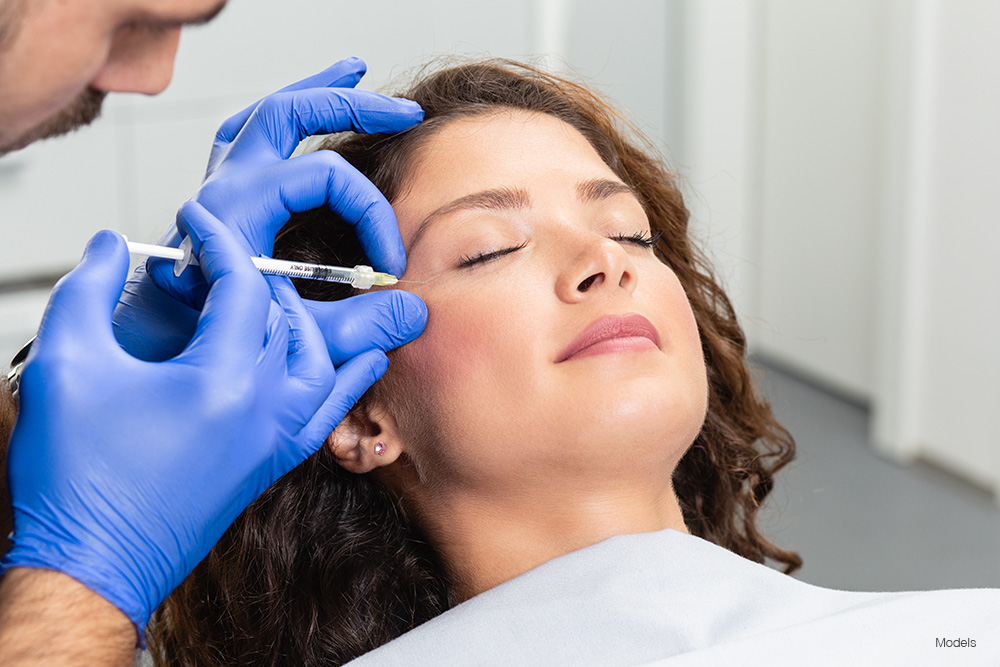
While BOTOX® Cosmetic, a neuromodulator, and JUVÉDERM®, a dermal filler, work differently to target lines and wrinkles, they both provide temporary results. However, fat grafting offers permanent or long-lasting outcomes, and like dermal fillers, it can add volume to the cheeks, under-eye hollows, jawline, and lips. This blog will serve as a guide, in conjunction with a consultation, to help individuals choose the option that best meets their needs.
4 Min Read:
Table of Contents
- Understanding Your Treatment Options
- Why Fat Transfer Delivers Superior Long-Term Value
- What to Expect From Fat Transfer
- Am I an Ideal Candidate for Fat Transfer?
- Thinking About Getting a Fat Transfer in Newport Beach, CA?
Understanding Your Treatment Options
Time takes its toll on everyone’s face. Collagen breaks down faster than you’d like. Fat pads shift to places they shouldn’t be. Muscles create permanent lines from all that smiling, frowning, and general living you’ve been doing for decades.
Each treatment addresses these aging signs in a unique way. The main difference comes down to how often you want to book appointments for touch-ups.
BOTOX® Cosmetic: The Muscle Relaxer
BOTOX Cosmetic works by temporarily paralyzing your muscles. Those crow’s feet that show up every time you laugh too hard at something funny. The forehead lines that appear whenever you’re surprised or confused. BOTOX® Cosmetic smooths them by stopping muscle movement, creating a smoother appearance.
What BOTOX® Cosmetic treats well:
- Forehead lines
- Crow’s feet
- Frown lines between eyebrows
- Neck bands
BOTOX® Cosmetic results last three to four months before your muscles wake up and start creating lines again. You’ll need regular appointments to maintain your results, which add up over time.
JUVÉDERM®: The Volume Filler
JUVÉDERM® takes a different approach entirely. It uses hyaluronic acid to fill in wrinkles and pump volume back into areas that have deflated over time. The results happen immediately, which feels pretty amazing after dealing with gradual volume loss for years.
Areas JUVÉDERM® can improve:
- Nasolabial folds
- Marionette lines
- Lip volume and definition
- Cheek hollows
- Under-eye bags
JUVÉDERM sticks around longer than BOTOX Cosmetic, but still requires regular maintenance. Depending on the specific product used, you can expect results that last between six months and two years. Your body gradually absorbs the filler, and then you’re back where you started.
Fat Transfer: Your Natural Alternative
Fat transfer changes the entire game. Instead of injecting something foreign into your face, this procedure uses fat cells from your own body. Fat is removed through liposuction from areas where you probably have more than enough, then cleaned and carefully placed where you want more volume.
What makes fat transfer different?
- Uses your own tissue
- Results that last permanently once everything settles
- Multiple problem areas get addressed at once
- Body contouring happens as a bonus
- No risk of allergic reactions
The fat cells that survive the move become living tissue in their new home. They age along with the rest of your face naturally and even respond to weight changes just like fat cells anywhere else on your body.
Why Fat Transfer Delivers Superior Long-Term Value
Here’s where fat transfer starts looking really smart from a financial standpoint. The upfront cost is higher, but the permanent results often make it cheaper over time.
Let’s break this down with real numbers. BOTOX® Cosmetic treatments run about $300 to $600 every three months. Over five years, you’re spending $6,000 to $12,000 to maintain the same level of results. JUVÉDERM® costs $600 to $1,200 per session, needed every 12 to 18 months. Five years of maintenance runs you $2,000 to $6,000.
Fat transfer for facial work typically costs $3,000 to $8,000 upfront. The math gets pretty clear when you start calculating those long-term expenses.
What to Expect From Fat Transfer
Fat transfer involves more downtime than getting injections, but the process is pretty manageable. Most people get back to work within 10 days and return to their regular exercise routine after three weeks.
Your results will be obscured at first because of swelling. Some of the transferred fat gets reabsorbed during the first six months while your body figures out how to supply blood to the new tissue. The fat that remains after this adjustment period stays put permanently.
Am I an Ideal Candidate for Fat Transfer?
Fat transfer works best for patients who:
- Have adequate fat for harvesting
- Want long-term volume restoration
- Prefer natural over synthetic materials
- Can accommodate a longer recovery time
Thinking About Getting a Fat Transfer in Newport Beach, CA?
Your lifestyle, budget, and goals should drive your treatment decision. Dr. Boris M. Ackerman has over 30 years of experience helping patients achieve natural-looking results through cosmetic treatments, and can help you make an informed decision.
Call (949) 759-3284 or visit our contact page to book your consultation today.